
Total Productive Maintenance (TPM): The System That Eliminates Breakdowns and Maximizes OEE
What if your machines rarely failed—and when they did, the issue was detected and resolved before it impacted production?
In many manufacturing environments, equipment reliability is treated as a maintenance issue. In reality, it is a system issue involving operators, processes, and leadership.
Total Productive Maintenance (TPM) is a structured approach to maximizing equipment effectiveness by preventing failures, reducing variability, and aligning maintenance with production.
1. What Is Total Productive Maintenance?
TPM is a plant-wide system designed to maximize equipment effectiveness through proactive and preventive maintenance involving all employees.
Unlike traditional maintenance models, TPM integrates operators, maintenance teams, and management into a single system focused on reliability and performance.

2. The Six Big Losses in TPM
- Unplanned breakdowns (Availability)
- Setup and changeovers (Availability)
- Minor stops and idling (Performance)
- Reduced speed (Performance)
- Startup defects (Quality)
- Production defects (Quality)
3. The 8 Pillars of TPM
- Autonomous Maintenance: Operators maintain basic equipment conditions
- Planned Maintenance: Scheduled interventions replace reactive repairs
- Quality Maintenance: Equipment conditions aligned with zero defects
- Focused Improvement: Continuous kaizen on equipment losses
- Early Equipment Management: Design for maintainability
- Training and Education: Skill development across teams
- Safety, Health, Environment: Zero-incident operation
- Administrative TPM: Extend principles to support functions
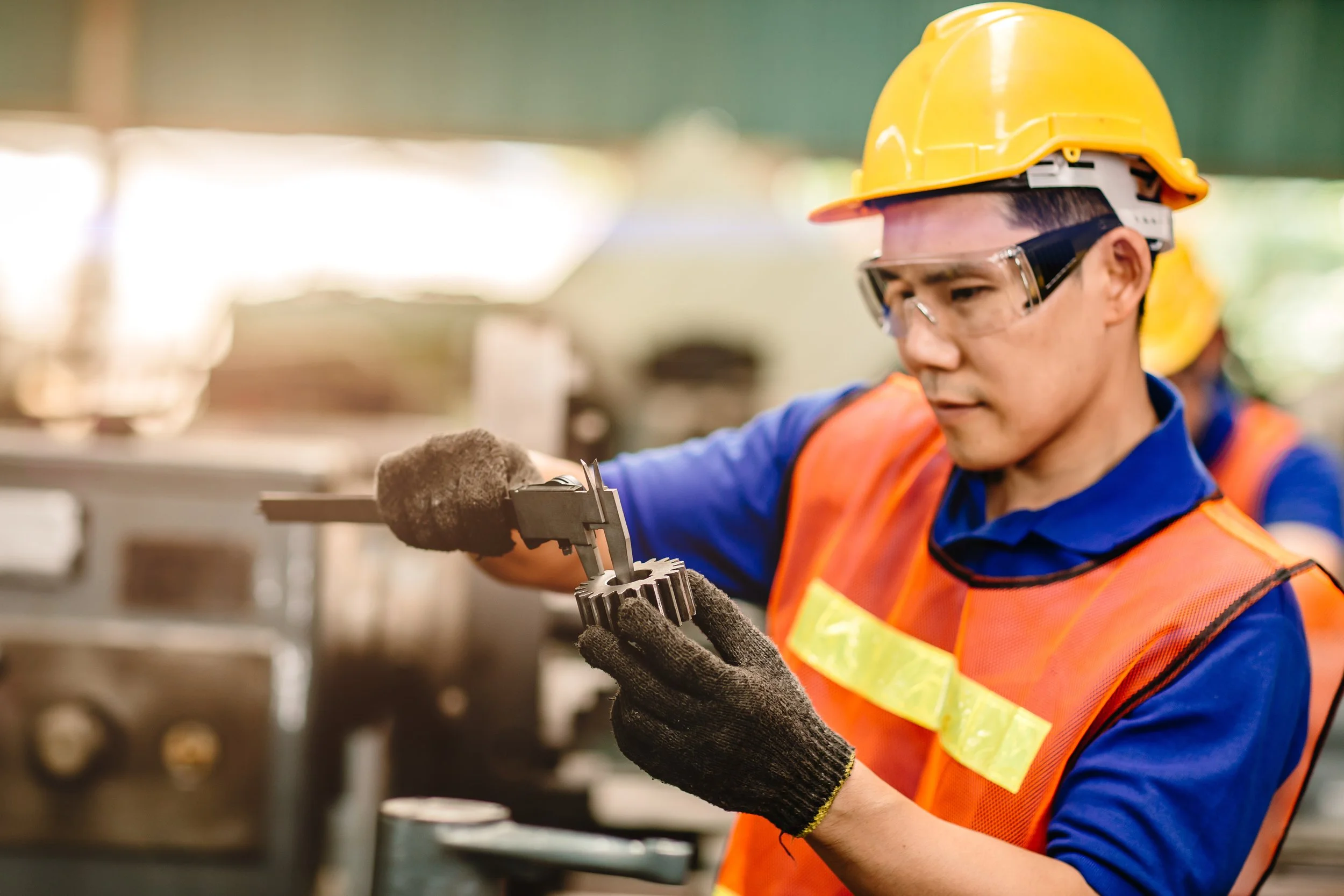
4. TPM Performance Analysis: CNC Machining Center
- Shift: 480 minutes
- Breakdowns: 48 min
- Minor stops: 31 min
- Planned maintenance: 22 min
- Startup losses: 8 min
- Cycle time: 38 sec (ideal) vs 51 sec (actual)
- Output: 310 units/shift
5. Current OEE Calculation
Availability:
(480 − 78) ÷ 480 = 83.8%
Performance:
310 ÷ 635 = 48.8%
Quality:
291 ÷ 310 = 93.9%
OEE:
38.4%
6. OEE Improvement with TPM
- Availability: 97.1%
- Performance: 97.3%
- Quality: 98.6%
Future OEE: 93.2%

7. Production and Revenue Impact
- Current output: 291 units/shift
- Future output: 706 units/shift
- Annual gain: 207,500 units
Revenue impact: €39.8M/year (at 60% demand)
8. Maintenance Cost Transformation
- Reactive maintenance: €284K → €113.6K
- Planned maintenance: €96K → €134.4K
- Total cost: €380K → €248K
Annual saving: €132,000
9. TPM Return on Investment
- Investment: €73,000
- Annual benefit: €39.97M
- ROI: 547x
Payback: < 1 week (with production impact)

10. TPM Implementation Roadmap
- Stabilize equipment condition
- Eliminate breakdowns
- Reduce performance losses
- Improve quality consistency
- Institutionalize TPM culture
Why Partner with HNG Consulting?
At HNG Consulting, we help manufacturers transform maintenance into a performance-driven system aligned with OEE, reliability, and financial outcomes.
TPM diagnostics and OEE analysis
Identification of equipment losses and performance gaps.
Maintenance system transformation
Transition from reactive to planned and autonomous maintenance.
Reliability and performance integration
Alignment of TPM with OEE, SMED, and production systems.
Acceptance sampling helps you make fast, defensible lot decisions without inspecting every single unit.
This training gives your team a practical framework to classify defects clearly, apply AQL sampling plans with confidence, and decide when to accept, reject, or escalate a lot based on risk and evidence. It is designed to help manufacturing teams reduce inspection effort while maintaining control, consistency, and customer protection.
By using the right sampling strategy at the right point in the process, your organisation can lower inspection cost, improve decision quality, and avoid the false security of over-inspection. The result is a more efficient quality system that supports faster lot release, clearer accountability, and stronger confidence in every shipment.