
Training, Competency and Development Strategy in Manufacturing
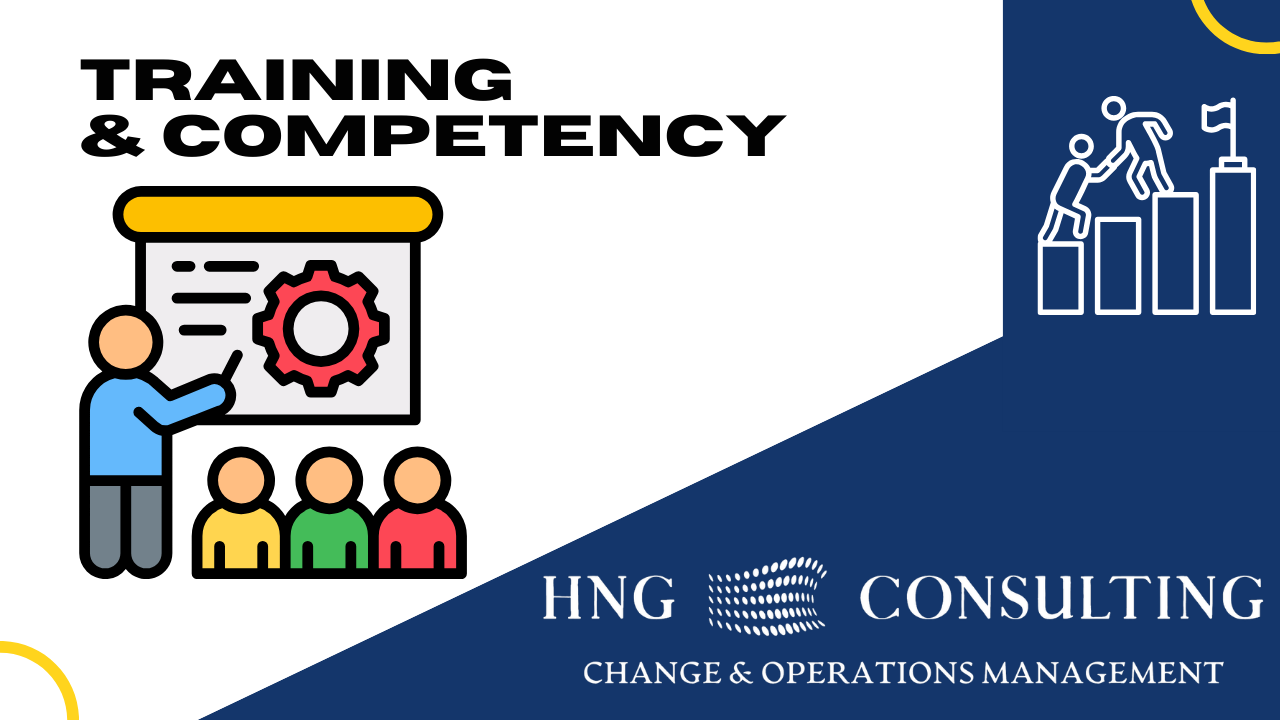
Training, competency, and development are critical elements of an effective quality management system. They ensure that employees have the knowledge, skills, and capabilities required to perform their roles consistently and in compliance with defined standards.
In manufacturing environments, insufficient competency is a major source of defects, process variability, and operational risk. A structured development strategy enables organizations to improve performance, reduce errors, and support continuous improvement initiatives.
This article explains how training and competency systems contribute to operational excellence, compliance, and financial performance.
1. What Is Competency in a Quality Context?
Competency refers to the ability of individuals to apply knowledge, skills, and experience to perform tasks effectively and consistently. It goes beyond training by focusing on actual performance in the workplace.
- Knowledge: understanding of processes, standards, and requirements
- Skills: ability to perform tasks correctly and efficiently
- Experience: practical application in real operational conditions

2. Training vs Competency: Key Differences
Training provides knowledge and instruction, while competency ensures that individuals can apply that knowledge effectively in practice.
- Training focuses on learning
- Competency focuses on performance
- Competency must be validated through observation or assessment
3. Why Training and Competency Matter
A lack of competency directly impacts product quality, process stability, and compliance. Well-structured training and competency systems reduce variability and improve operational consistency.
- Reduce human errors and process deviations
- Ensure consistent execution of work instructions
- Support compliance with quality and regulatory requirements
Build a quality management system that does more than tick boxes.
This training gives your team the foundations to create a structured, practical QMS that improves consistency, reduces the cost of poor quality, and supports smarter decisions across the business. Covering ISO 9001, the 7 quality principles, PDCA, and the documentation framework behind an effective system, it helps you turn quality into a real operational advantage.
Designed for manufacturing leaders and quality teams, this module shows how to move from reactive problem-solving to a more disciplined, data-driven approach. The result is better control, clearer processes, stronger alignment, and a quality system that supports growth rather than slowing it down.
4. Financial Impact of Competency Gaps
Insufficient training and competency can lead to significant financial losses due to errors, rework, and inefficiencies.
- Increased scrap and rework costs
- Higher defect rates and customer complaints
- Reduced productivity and process efficiency
5. Building an Effective Training and Competency System
An effective system ensures that training is structured, competency is validated, and development is aligned with organizational needs.
- Define competency requirements for each role
- Develop structured training programs
- Assess and validate competency through practical evaluation
- Maintain training and competency records
6. Linking Training to Performance and KPIs
Training and competency systems should be aligned with operational performance metrics to ensure they deliver measurable value.
- Link training outcomes to defect rate and process performance
- Monitor impact on OEE and productivity
- Evaluate effectiveness through audit results and KPIs

7. Supporting Continuous Improvement Through Development
Training and development play a key role in continuous improvement by enabling employees to identify problems, propose solutions, and implement changes.
- Develop problem-solving and analytical skills
- Support Kaizen and Lean initiatives
- Encourage employee engagement in improvement activities
8. Why Partner with HNG Consulting?
At HNG Consulting, we help organizations design and implement training and competency systems that improve performance, reduce risk, and support operational excellence.
Competency framework development
Definition of competency requirements and implementation of structured competency matrices.
Training system implementation
Design of training programs aligned with operational needs and quality requirements.
Performance-driven development
Alignment of training and competency systems with KPIs such as defect rate, OEE, and cost of poor quality.