
Continuous Improvement in Manufacturing: Kaizen, Lean, and 5S Explained
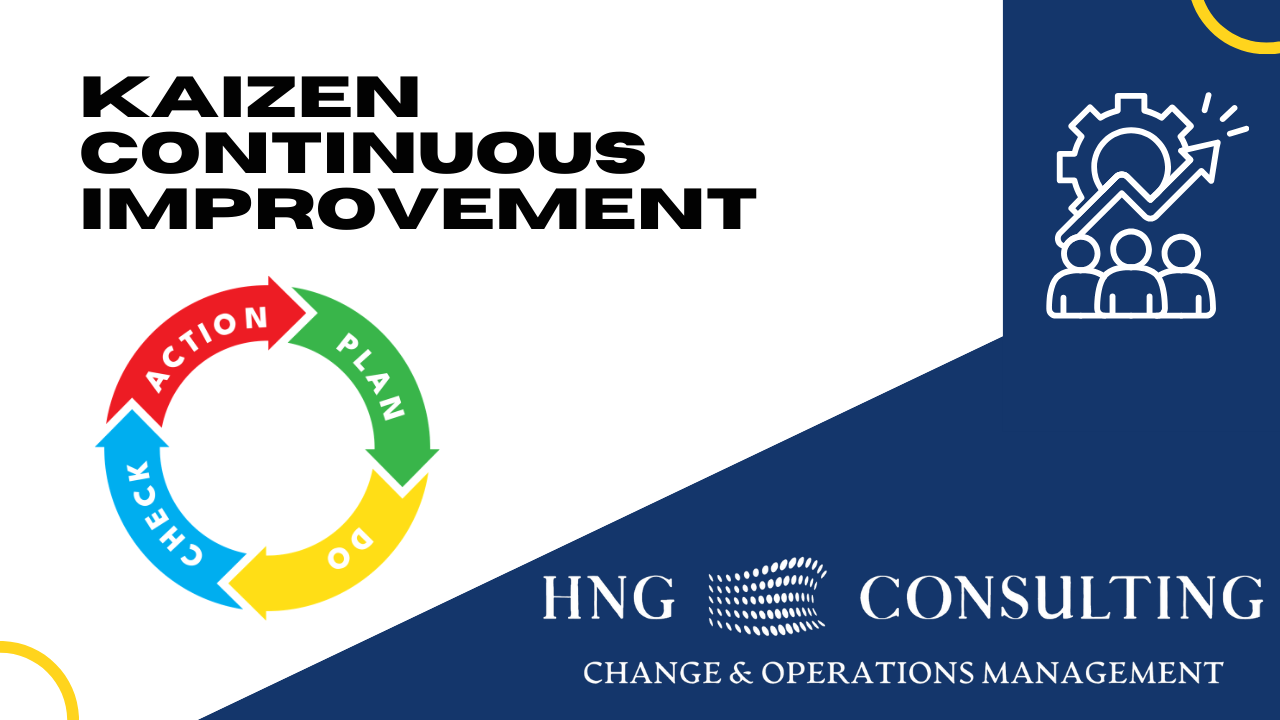
Continuous improvement is a fundamental principle in manufacturing, focused on systematically enhancing processes, reducing waste, and improving quality over time. Methodologies such as Kaizen, Lean manufacturing, and 5S provide structured approaches to achieving sustainable operational improvements.
Rather than relying on large-scale transformations, continuous improvement emphasizes incremental, data-driven changes that deliver measurable results in efficiency, quality, and cost reduction.
This article explains the key principles of continuous improvement and how Kaizen, Lean, and 5S contribute to operational performance and financial outcomes.
1. What Is Continuous Improvement?
Continuous improvement is an ongoing effort to enhance products, processes, and systems. It is based on the idea that small, consistent improvements lead to significant long-term gains.
- Focus on incremental improvements rather than large changes
- Use data and performance metrics to guide decisions
- Engage employees at all levels of the organization
2. Kaizen: Small Improvements with Big Impact
Kaizen is a continuous improvement philosophy that focuses on making small, incremental changes involving employees at all levels of the organization.
- Encourages daily improvements in processes and workflows
- Promotes employee engagement and ownership
- Focuses on eliminating inefficiencies and waste
3. Lean Manufacturing: Eliminating Waste
Lean manufacturing focuses on maximizing value while minimizing waste. It identifies and eliminates non-value-added activities across the production process.
- Eliminates the 7 wastes (defects, overproduction, waiting, etc.)
- Improves process flow and efficiency
- Enhances customer value through better quality and delivery
Risk-based thinking helps you move from reacting to problems to preventing them before they happen.
This training gives your team a practical framework to identify critical risks across your manufacturing system, assess them with simple but effective tools like risk matrices and FMEA, and turn them into clear actions and measurable quality objectives. It is designed to help manufacturing leaders build stronger control, reduce surprises, and make better decisions based on what could impact performance next.
By embedding risk thinking into daily operations, management reviews, and improvement routines, your organisation gains more than compliance — it gains clarity, focus, and resilience. The result is a quality system that does not just record issues, but actively helps prevent them, prioritise the right actions, and support better long-term performance.
4. 5S: Foundation for Workplace Organization
5S is a workplace organization method that creates a clean, efficient, and standardized environment. It is often the first step in implementing continuous improvement.
- Sort, Set in order, Shine, Standardize, Sustain
- Improves workplace efficiency and safety
- Supports standardization and process consistency
5. Financial Impact of Continuous Improvement
Continuous improvement directly impacts financial performance by reducing waste, improving efficiency, and increasing process stability.
- Reduced scrap and rework costs
- Improved productivity and throughput
- Lower operational costs and improved margins
6. Integrating Continuous Improvement with Quality Tools
Continuous improvement is most effective when integrated with quality tools such as SPC, root cause analysis, and process capability analysis.
- Use SPC to monitor process stability
- Apply root cause analysis to eliminate recurring issues
- Track improvements using KPIs such as defect rate and OEE
7. Building a Continuous Improvement Culture
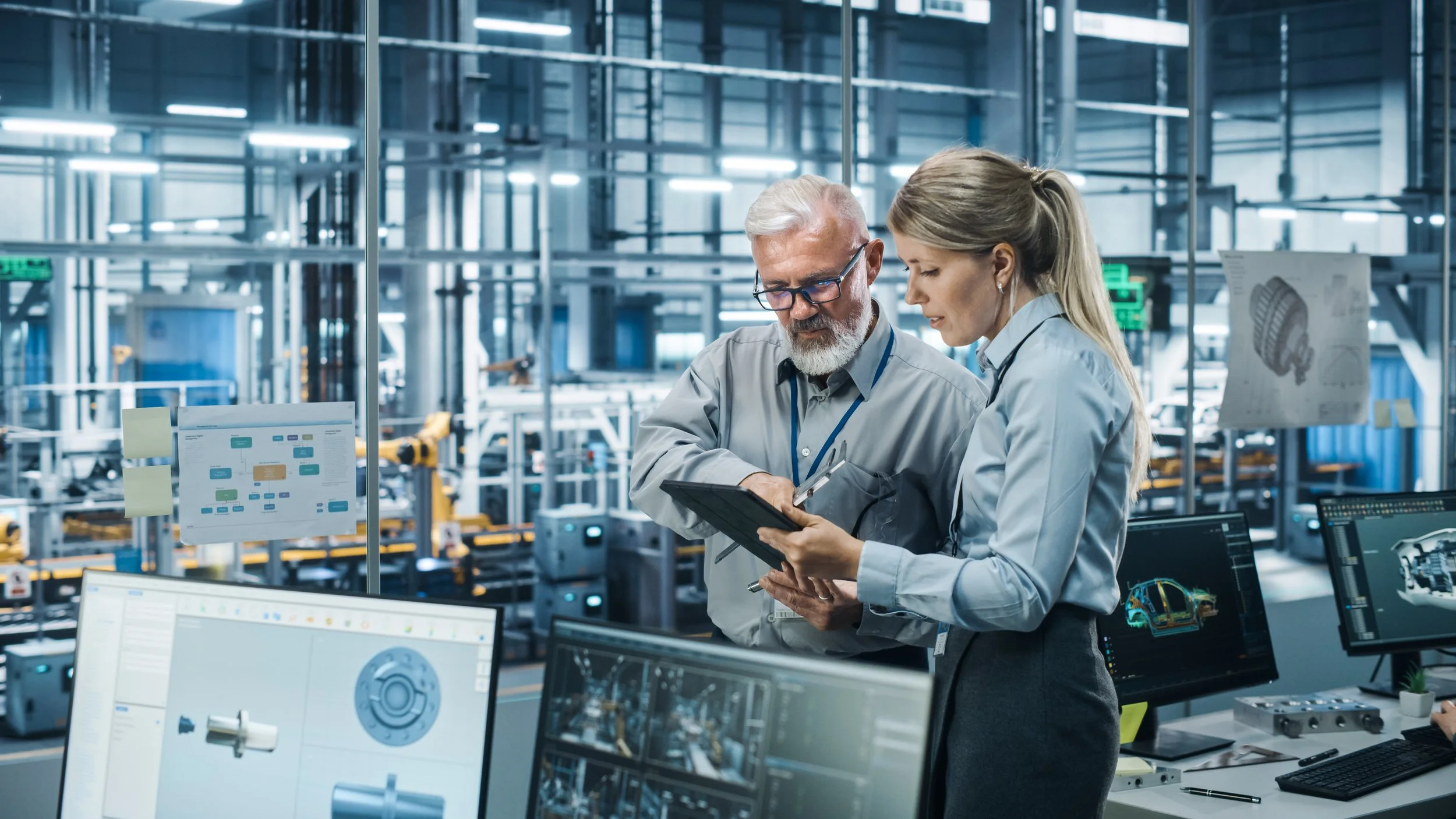
Sustainable improvement requires more than tools—it requires a culture that encourages participation, accountability, and data-driven decision-making.
- Engage employees in improvement initiatives
- Provide training and clear performance metrics
- Encourage cross-functional collaboration
8. Why Partner with HNG Consulting?
At HNG Consulting, we help manufacturers implement structured continuous improvement systems that deliver measurable gains in efficiency, quality, and financial performance.
Lean and Kaizen implementation
Deployment of continuous improvement methodologies to eliminate waste and improve process efficiency.
Process optimization
Identification and elimination of inefficiencies to reduce cost and improve productivity.
Performance-driven improvement systems
Integration of continuous improvement with KPIs such as OEE, defect rate, and cost of poor quality.